
Strength Training for Beginners: A Simple Guide to Getting Started
Starting strength training can feel overwhelming in the beginning. Walk into any gym and you’ll see people lifting heavy weights, using machines you’ve never seen before, and following workout plans filled with complicated terms. It’s easy to think strength training is only for athletes or experienced fitness enthusiasts.
The truth is, strength training is for everyone.
You don’t need to be extremely fit, spend hours in the gym, or lift massive weights to start seeing results. With the right approach, strength training can help you become stronger, healthier, more energetic, and more confident — even if you’re a complete beginner.
In this guide, we’ll break everything down in simple terms so you can start your fitness journey without confusion.
What Is Strength Training?
Strength training is any type of exercise where your muscles work against resistance. That resistance can come from weights, resistance bands, gym machines, or even your own body weight.
Exercises like push-ups, squats, lunges, and planks are all forms of strength training.
The goal isn’t just building muscle. Strength training also improves endurance, balance, posture, and overall health.
Why Strength Training Matters
A lot of beginners start working out mainly to lose weight. While cardio can help burn calories, strength training offers long-term benefits that many people overlook.
Here are some of the biggest advantages:
1. You Become Stronger in Daily Life
Simple activities like carrying groceries, climbing stairs, or lifting heavy bags become easier.
2. It Helps Burn Fat
Muscle burns more calories than fat, even when your body is resting. Building muscle can naturally improve your metabolism over time.
3. Better Posture and Less Body Pain
Many people spend hours sitting at desks or using phones all day. Strength training helps improve posture and can reduce back and shoulder discomfort.
4. Improved Confidence
Seeing yourself become stronger week after week builds confidence both physically and mentally.
5. Stronger Bones and Joints
Regular strength training supports bone health and may reduce the risk of injuries as you age.
Is Strength Training Safe for Beginners?
Yes — as long as you start properly.
One of the biggest mistakes beginners make is trying to do too much too soon. You don’t need heavy weights on day one.
Focus on:
- Learning proper form
- Starting with lighter weights
- Staying consistent
- Progressing gradually
Strength training should challenge your muscles, but it should never feel unsafe.
How Often Should Beginners Work Out?
For most beginners, training 3 times per week is more than enough.
A simple schedule could look like this:
- Monday — Full Body Workout
- Wednesday — Full Body Workout
- Friday — Full Body Workout
Rest days are important because your muscles recover and grow during recovery.
Best Strength Training Exercises for Beginners
You don’t need dozens of exercises to get started. A few basic movements can train your entire body effectively.
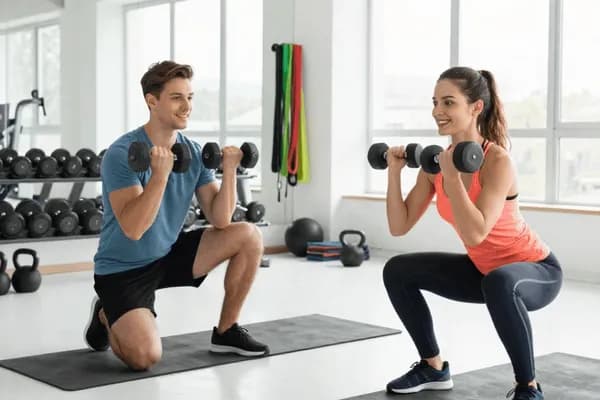
Squats
Squats mainly target your legs and glutes.
How to do them:
- Stand with feet shoulder-width apart
- Lower your body as if sitting in a chair
- Keep your chest up
- Push back up slowly
Squats are one of the best exercises for building lower body strength.
Push-Ups
Push-ups strengthen the chest, shoulders, and arms.
If regular push-ups feel too difficult, start with knee push-ups or wall push-ups.
Lunges
Lunges help improve balance, coordination, and leg strength.
Take one step forward, lower your body slowly, then return to the starting position.
Planks
Planks are excellent for building core strength.
Hold your body in a straight line while supporting yourself on your forearms and toes.
Even 20–30 seconds is a great start for beginners.
Dumbbell Rows
This exercise strengthens your back and helps improve posture.
If you spend long hours sitting or working on a computer, rows are especially helpful.
A Simple Beginner Workout Plan
Here’s a basic full-body workout beginners can follow.
Warm-Up (5 Minutes)
Before starting, warm up your body with:
- Arm circles
- Jumping jacks
- Light jogging
- Dynamic stretching
A warm-up prepares your muscles and reduces injury risk.
Beginner Workout Routine
Squats
3 sets × 10 reps
Push-Ups
3 sets × 8–10 reps
Lunges
3 sets × 10 reps per leg
Dumbbell Rows
3 sets × 10 reps
Planks
3 sets × 20–30 seconds
Take 60–90 seconds of rest between sets.
Understanding Sets and Reps
If you’re new to fitness, terms like “sets” and “reps” can sound confusing.
It’s actually very simple.
Reps
A rep means one complete movement.
Example:
1 squat = 1 rep
Sets
A set is a group of reps.
Example:
10 squats repeated 3 times = 3 sets
How Heavy Should You Lift?
Choose a weight that feels challenging but still allows you to maintain good form.
A good beginner rule:
- The last few reps should feel difficult
- But you should still be able to complete them safely
Avoid trying to lift extremely heavy weights in the beginning.
Why Proper Form Is Important
Good form matters more than heavy weights.
Using proper technique helps:
- Prevent injuries
- Train the correct muscles
- Improve results faster
If you’re unsure about your form, start slowly and practice the movement first.
Nutrition and Strength Training
Exercise is only one part of the equation.
What you eat also affects your results.
Protein Matters
Protein helps repair and build muscles.
Some healthy protein sources include:
- Eggs
- Chicken
- Fish
- Greek yogurt
- Lentils
- Paneer
- Tofu
- Beans
You don’t need a complicated diet to get started. Focus on balanced meals and enough protein.
Don’t Ignore Recovery
Many beginners think working out every day leads to faster results.
In reality, recovery is just as important as training.
Your muscles need time to repair and grow.
Try to get:
- 7–9 hours of sleep
- Enough water daily
- Rest days between workouts
Common Beginner Mistakes
Doing Too Much Too Soon
Motivation is great, but overtraining often leads to burnout or injuries.
Start slowly.
Focusing Only on Weight Loss
Strength training is about becoming stronger and healthier, not just seeing smaller numbers on a scale.
Comparing Yourself to Others
Everyone starts somewhere.
Focus on your own progress instead of comparing yourself to people who have trained for years.
Skipping Warm-Ups
Warm-ups may seem boring, but they help prepare your body for exercise.
How Long Does It Take to See Results?
Most beginners notice:
- Better energy within a few weeks
- Increased strength after 4–6 weeks
- Visible body changes after a few months
Consistency matters more than perfection.
Even small improvements add up over time.
Can You Do Strength Training at Home?
Absolutely.
You don’t need a gym membership to get started.
Bodyweight exercises like:
- Push-ups
- Squats
- Planks
- Lunges
can be very effective.
If you want extra resistance, a pair of dumbbells or resistance bands is enough for most beginners.
Tips to Stay Consistent
Set Realistic Goals
Don’t expect dramatic changes overnight.
Focus on building habits first.
Track Your Progress
Write down:
- Workouts
- Reps
- Weights used
Seeing progress over time can be very motivating.
Make Fitness Part of Your Routine
The best workout plan is the one you can stick to consistently.
Final Thoughts
Strength training doesn’t have to be complicated.
You don’t need fancy equipment, advanced workout plans, or years of experience to start improving your health.
The key is to begin with simple exercises, stay consistent, and gradually improve over time.
Some days will feel easier than others, and progress may seem slow at first. That’s completely normal.
What matters most is showing up regularly and continuing to move forward.
A few months from now, you’ll be stronger, healthier, and more confident than when you started — and it all begins with taking the first step.


-600x400.webp&w=3840&q=75)