Heart-Healthy Diet: Simple Foods for a Stronger Heart
Taking care of your heart doesn't mean you have to completely change your diet or give up all the foods you enjoy. In fact, a heart-friendly diet is more about making small, sensible choices regularly.
What you eat can influence important factors such as cholesterol, blood pressure, blood sugar, and body weight. The good news is that many heart-healthy foods are simple, affordable, and easy to add to everyday meals.
1. Fill Your Plate With Vegetables
Vegetables should be a regular part of your meals. Spinach, broccoli, carrots, tomatoes, beans, peppers, and leafy greens provide fiber, vitamins, minerals, and other beneficial plant compounds.
Try adding vegetables to breakfast, lunch, and dinner rather than treating them as an occasional side dish.
Fresh, frozen, and lightly cooked vegetables can all be good choices.
2. Don't Forget Fruits
Fruit is naturally sweet, but it also provides fiber, vitamins, minerals, and antioxidants.
Apples, oranges, bananas, berries, guava, papaya, and many other fruits can easily become part of a heart-friendly diet.
Instead of relying on fruit juice, eating whole fruit is generally a better option because you also get the fiber.
3. Choose Whole Grains More Often
Whole grains contain more fiber and nutrients than refined grains because they retain more of the grain.
Good options include:
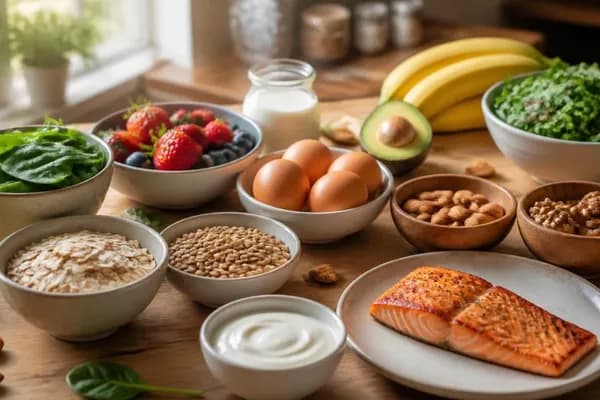
- Oats
- Brown rice
- Whole-wheat roti
- Barley
- Whole-grain bread
- Quinoa
You don't necessarily have to eliminate white rice or other refined grains. Simply replacing some refined grains with whole grains is a practical place to start.
4. Include Healthy Sources of Protein
Protein is an important part of a balanced diet, and there are plenty of heart-friendly choices.
Consider:
- Lentils
- Beans
- Chickpeas
- Tofu
- Nuts
- Seeds
- Fish
- Skinless chicken
- Low-fat or plain dairy products
Fatty fish such as salmon, sardines, and mackerel also provide omega-3 fatty acids.
5. Choose Healthy Fats
Not all fats are the same.
Foods such as avocados, nuts, seeds, olive oil, and some fish provide unsaturated fats that can be part of a heart-healthy eating pattern.
This doesn't mean you should eat unlimited amounts. Fats are calorie-dense, so portion size still matters.
6. Keep an Eye on Salt
Eating too much sodium can contribute to high blood pressure in some people.
A lot of sodium doesn't necessarily come from the salt shaker. Packaged snacks, instant noodles, processed meats, sauces, ready-made meals, and other processed foods can contain significant amounts.
Try using herbs, garlic, lemon, ginger, and spices to add flavor without relying entirely on salt.
7. Cut Back on Highly Processed Foods
You don't have to completely ban pizza, burgers, sweets, or chips from your life.
The bigger issue is eating highly processed, sugary, or heavily fried foods too frequently.
Try making whole or minimally processed foods the foundation of your diet and keeping less nutritious foods as occasional choices.
8. Watch Added Sugar
Sugary drinks, desserts, sweetened tea and coffee, and many packaged foods can add a surprising amount of sugar to your diet.
Water should be your main drink most of the time. If you enjoy something sweet, having it occasionally is fine—what matters is your overall eating pattern.
A Simple Heart-Healthy Plate
You don't need to count every nutrient to improve your diet.
A simple approach is to make roughly:
½ your plate vegetables and fruit
¼ your plate whole grains or other carbohydrates
¼ your plate a healthy protein source
Add a small amount of healthy fat and choose water or another low-sugar drink.
Of course, your ideal diet can vary depending on your individual needs.
What About Indian Food?
You don't need to switch to a completely Western-style diet to eat for heart health.
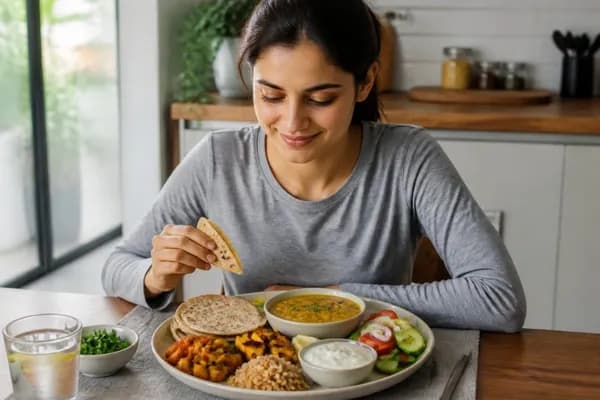
Traditional foods such as dal, rajma, chana, vegetables, whole-wheat roti, oats, fruits, nuts, and fish can all fit into a heart-friendly eating pattern.
The cooking method matters too. Using excessive oil, salt, or deep-frying can turn an otherwise nutritious meal into a much heavier one.
Small changes—such as adding more vegetables, using less salt, and choosing whole grains more often—can make everyday meals healthier without taking away their familiar flavors.
Final Thoughts
A heart-healthy diet isn't about finding one magical food. It's about what you eat most of the time.
Fill your meals with vegetables, fruits, whole grains, legumes, nuts, healthy fats, and good sources of protein. At the same time, try to reduce excessive salt, added sugar, and highly processed foods.
You don't need to change everything overnight. Start with one or two small changes and build from there.
Your heart doesn't need a perfect diet—it needs healthy habits that you can actually maintain.
This article is for general health information and isn't a substitute for personalized medical advice. People with heart disease, high blood pressure, high cholesterol, diabetes, or other medical conditions should follow advice from their healthcare professional.