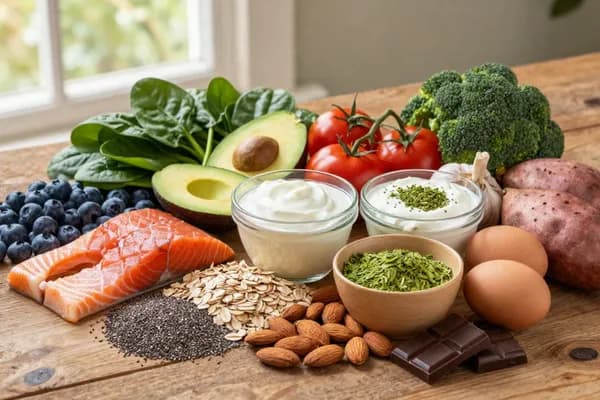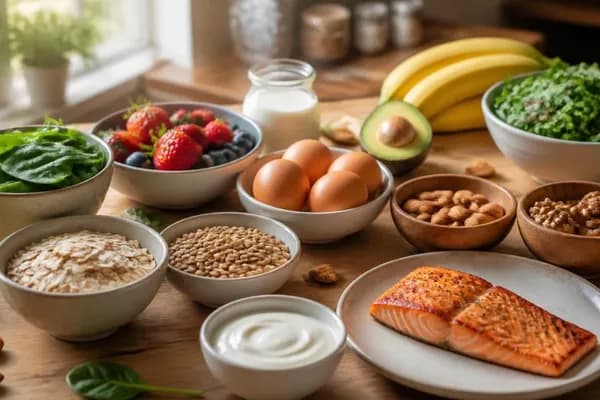
Everyday Superfoods: Simple Foods Your Body Will Thank You For
The word “superfood” can make healthy eating sound complicated. You might imagine expensive powders, unusual berries, or ingredients that are difficult to find.
But the truth is much simpler.
Some of the best foods for your everyday diet are already sitting in your kitchen. You don't need to completely change the way you eat. Adding a few nutrient-rich foods to your regular meals can be an easy way to improve your overall diet.
Here are some everyday superfoods worth keeping on your shopping list.
1. Eggs
Eggs are affordable, easy to prepare, and packed with nutrients.
They provide high-quality protein along with vitamins and minerals such as vitamin B12, selenium, and choline. They're also surprisingly versatile—you can have them boiled, scrambled, poached, or added to other meals.
For breakfast, an egg with whole-grain toast and some vegetables can make a simple, filling meal.
2. Spinach and Leafy Greens
Leafy greens such as spinach are nutritional powerhouses.
They contain fiber, folate, vitamin K, vitamin C, and other beneficial plant compounds. Adding a handful of spinach to an omelet, sandwich, smoothie, or curry is an easy way to increase your vegetable intake.
You don't need a huge bowl every day. Small additions can add up.
3. Berries
Strawberries, blueberries, raspberries, and other berries are rich in fiber and plant compounds called antioxidants.
These compounds help protect cells from oxidative stress. Berries are also naturally sweet, making them a useful alternative when you're craving something sugary.
Add them to yogurt, oatmeal, or simply eat them as a snack.
4. Nuts
Almonds, walnuts, pistachios, and other nuts contain healthy fats, protein, fiber, vitamins, and minerals.
A small handful can make a convenient snack when you're hungry between meals.
Just remember that nuts are calorie-dense, so you don't need a huge portion. A small handful is usually plenty.
5. Oats
Oats are more than just a breakfast food.
They contain soluble fiber, including beta-glucan, which can help support healthy cholesterol levels as part of an overall balanced diet.
Try combining oats with milk or yogurt, fruit, nuts, and seeds for a filling breakfast.
6. Yogurt
Yogurt provides protein and calcium, and some varieties contain live cultures that can support gut health.
Choose plain or lightly sweetened yogurt when possible and add your own fruit for natural sweetness.
It's an easy breakfast, snack, or post-workout option.
7. Beans and Lentils
For anyone looking for affordable plant-based nutrition, beans and lentils are hard to beat.
They're rich in protein and fiber and can be added to soups, salads, curries, wraps, and rice dishes.
They can also help make meals more filling without relying heavily on processed foods.
8. Fatty Fish
Salmon, sardines, mackerel, and other oily fish are well known for their omega-3 fatty acids.
Omega-3 fats play important roles in the body, including supporting normal heart and brain function.
If you eat fish, including oily fish in your meals regularly can be a nutritious choice.
9. Bananas
Bananas are simple, inexpensive, and incredibly convenient.
They're a source of carbohydrates, fiber, and potassium. They're especially handy as a quick snack before exercise or when you need something easy to carry.
Pair a banana with peanut butter or yogurt if you want a more filling snack.
10. Avocados
Avocados are rich in healthy monounsaturated fats and also provide fiber and several vitamins and minerals.
You can add them to toast, salads, sandwiches, or simply enjoy them with a little seasoning.
They are calorie-dense, so a moderate portion is enough.
The Real Secret: Variety
You don't need to eat every food on this list every single day.
The biggest mistake is thinking that one “superfood” can make up for an otherwise unhealthy diet. No single food can do that.
A healthy diet is about variety—different vegetables, fruits, whole grains, protein sources, healthy fats, and enough water.
Think of superfoods as ingredients that make a good diet better, not magic foods that fix everything.
Final Thoughts
Healthy eating doesn't have to be expensive, complicated, or boring. Eggs, oats, spinach, yogurt, lentils, nuts, fruit, and fish are simple foods that can provide plenty of useful nutrients.
Instead of searching for the next miracle food, start by making better choices with the foods you already have access to.
Small changes, repeated every day, can make a much bigger difference than a perfect diet followed for only a week.