Stress and anxiety have become the defining health crisis of our time. The World Health Organization reports that anxiety disorders affect nearly 1 in 4 people globally, and chronic stress is now linked to heart disease, sleep disorders, and immune suppression. While therapy and medication are important tools, one of the most powerful - and most underused - remedies costs nothing: exercise.
The connection between physical movement and mental calm is not motivational fluff. It is rooted in deep neuroscience. When you move your body with intention, you trigger a cascade of neurochemical events that directly counteract the anxiety and stress response. This guide lays out the exact workouts, the science behind them, a ready-to-use weekly plan, and practical tips - so you can start feeling better as early as today.
How Exercise Actually Fights Anxiety and Stress
Before diving into specific workouts, it helps to understand why exercise works so well for mental health. Most people assume it is simply a distraction - you are too busy working out to worry. While that is partly true, the real mechanism goes much deeper.
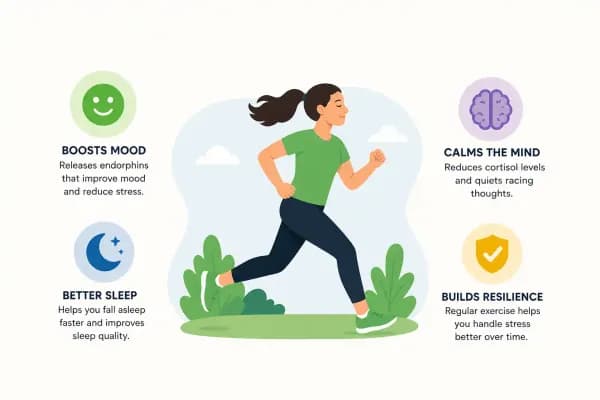
When you exercise, your brain releases endorphins - natural chemicals that act as painkillers and mood elevators. Simultaneously, levels of cortisol (your primary stress hormone) drop significantly after just 20 to 30 minutes of moderate movement. Exercise also increases the production of GABA, a neurotransmitter that calms the nervous system - the same one targeted by many anti-anxiety medications. Over time, regular cardio literally restructures the brain: the amygdala (your fear and threat-detection centre) becomes less reactive, and BDNF (brain-derived neurotrophic factor) promotes the growth of new neural connections.
In short, exercise is not just a lifestyle choice. For anxiety and stress, it is physiological medicine.
The 7 Best Workouts for Anxiety and Stress Relief
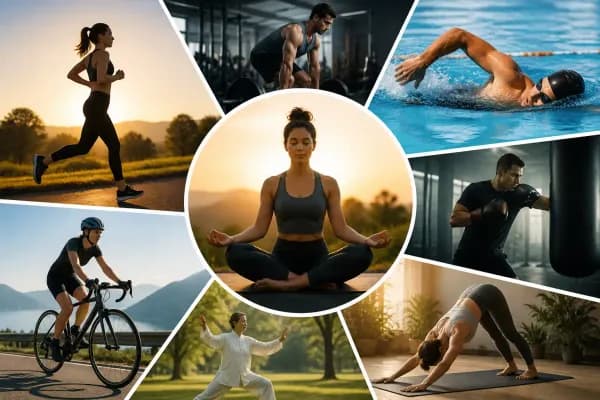
Not all exercise affects the mind equally. The following seven modalities have the strongest evidence base for reducing anxiety symptoms and lowering chronic stress.
1. Aerobic Running and Brisk Walking
Running and brisk walking are the gold standard for anxiety relief. The rhythmic, repetitive nature of these activities induces a state that researchers call "transient hypofrontality" - the prefrontal cortex (home of anxious rumination) temporarily quiets down, giving your overworked mind a genuine rest. Even a single 20-minute outdoor walk has been shown to measurably lower cortisol and activate the parasympathetic (rest-and-digest) nervous system.

Aim to keep your heart rate at 60–70% of your maximum for the best mental health outcome. You should be slightly breathless but still able to hold a conversation. Outdoor running carries an additional benefit: exposure to natural environments (trees, open sky, sunlight) independently reduces anxiety through what researchers call the "attention restoration effect."
2. Yoga - Especially Yin and Hatha Styles
Yoga is unique because it simultaneously addresses the body, breath, and mind - a triple-threat approach to anxiety. Yin yoga, which involves holding deep passive stretches for 3 to 5 minutes, directly stimulates the parasympathetic nervous system and releases chronic tension stored in the connective tissue around joints and the spine. Hatha yoga combines gentle postures with controlled breathwork, making it ideal for beginners or those whose anxiety manifests physically as muscle tightness and shallow breathing.
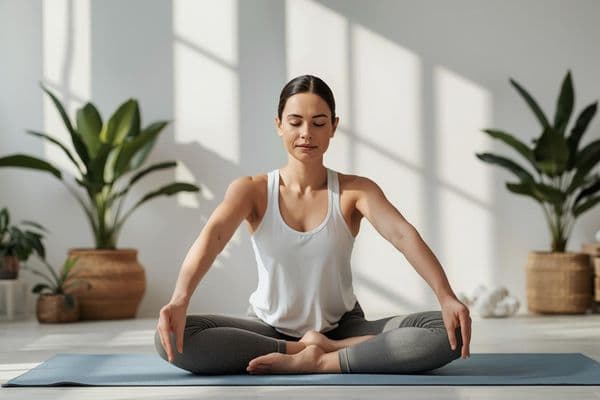
A landmark 8-week study found that yoga reduced generalized anxiety symptoms as effectively as cognitive behavioural therapy (CBT). Daily practice is safe and encouraged - even 20 minutes in the morning can set a calmer neurological baseline for the entire day.
3. Strength Training and Weightlifting
Lifting weights is not just for aesthetics. Resistance training significantly reduces symptoms of generalised anxiety disorder (GAD) and creates a powerful sense of bodily control and competence — both of which are deeply undermined by chronic anxiety. The intense focus required during compound lifts (squats, deadlifts, bench press) acts as a form of forced present-moment awareness, making it nearly impossible to ruminate simultaneously.
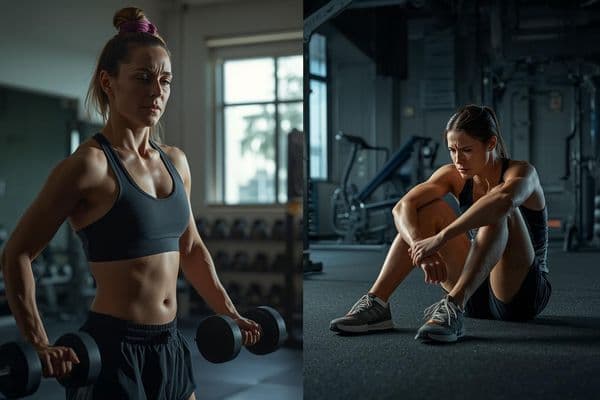
Research published in JAMA Psychiatry found that even low-to-moderate intensity resistance training (below 70% of one-rep max) significantly reduced anxiety symptoms in both healthy adults and clinical populations. Start 2 to 3 sessions per week, focusing on the big compound movements before adding isolation work.
4. Swimming
Water has a uniquely calming effect on the human nervous system, and swimming combines that sensory quality with full-body cardiovascular exercise and forced rhythmic breathing - three powerful anxiolytic mechanisms in a single activity. Lap swimming in particular creates a meditative, almost hypnotic state due to the repetitive stroke pattern, muffled soundscape, and the need to coordinate breathing with movement.
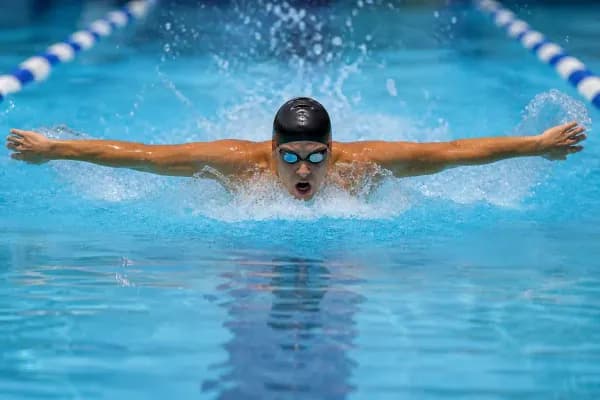
Cold-water swimming (open water or cold pools) carries an additional mental health bonus: it triggers a significant dopamine surge and activates the vagus nerve, both of which produce lasting reductions in anxiety and low mood. Even a single cold-water session has been documented to reduce anxiety symptoms for up to 24 hours.
5. Cardio Boxing and Kickboxing
Shadow boxing and heavy bag work allow you to physically discharge pent-up tension and frustration in a structured, safe way. High-intensity punching combinations demand complete present-moment focus - it is neurologically impossible to catastrophise about tomorrow while throwing a four-punch combo. The rhythmic impact of gloves on a bag also creates a powerful sensory feedback loop that many practitioners describe as immediately grounding.
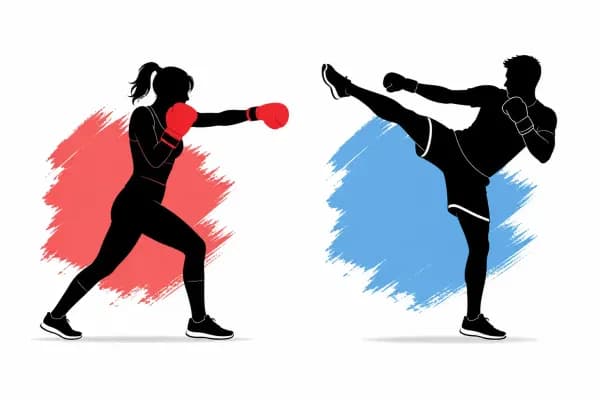
Many anxiety sufferers report that boxing is the single most cathartic form of exercise they have experienced. Start with a beginner cardio boxing class before moving to bag work, and always prioritise correct form to avoid injury.
6. Cycling (Outdoor or Stationary)
Outdoor cycling combines aerobic exercise with the restorative effects of nature exposure, making it exceptionally effective for stress reduction. The speed of cycling - passing through landscapes - also creates a sense of forward momentum that psychologically mirrors the act of "moving away" from stress. Stationary cycling in interval formats (alternating high and low intensity) has been shown to be particularly effective at regulating the HPA (hypothalamic-pituitary-adrenal) axis, which governs the cortisol stress response.
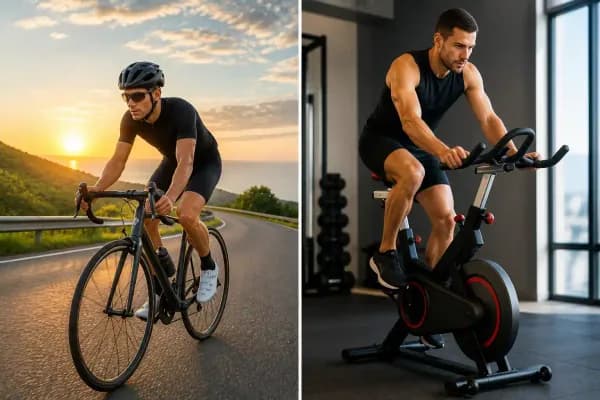
Cycling is also low-impact, making it accessible for people whose anxiety co-exists with physical conditions like joint pain or fatigue.
7. Tai Chi and Qigong
Often described as "meditation in motion," Tai Chi and Qigong are ancient Chinese movement practices that combine slow, flowing postures with deep diaphragmatic breathing and mindful attention. These practices are exceptionally well-studied for anxiety: a meta-analysis of 40 randomised controlled trials found Tai Chi significantly reduced anxiety, depression, and perceived stress across age groups.
The slow, deliberate pace makes these practices ideal for people with high anxiety who find vigorous exercise initially overwhelming. They can be practised indoors or outdoors, require no equipment, and are suitable for all fitness levels.
Pro Tips to Maximise the Mental Health Benefits of Exercise
1. Exercise outdoors when possible. Natural environments independently reduce cortisol through "soft fascination" - the gentle, effortless attention that greenery and open spaces command. Outdoor exercise has been shown to produce greater anxiety reduction than identical indoor exercise.
2. Keep intensity moderate, not brutal. High-intensity exercise is excellent for stress relief in moderation, but chronic overtraining spikes cortisol. For anxiety specifically, moderate-intensity cardio (60–75% max heart rate) consistently outperforms extreme intensity in research.
3. Pair exercise with nasal breathing. Breathing through your nose during lower-intensity exercise (walking, cycling, yoga) activates the vagus nerve and shifts the nervous system toward parasympathetic dominance - amplifying the calming effect.
4. Make it social. Exercising with another person - even occasionally - adds the anxiety-reducing benefits of social connection. Group yoga, a running partner, or a team sport multiplies the mental health return.
5. Protect the post-workout window. The 30 minutes after exercise is a period of heightened neuroplasticity - your brain is primed to form new patterns. Use this window for calm activity: a walk, journalling, or quiet conversation rather than immediately returning to stressful screens.
6. Be consistent, not perfect. Three moderate sessions per week, every week, produces better long-term anxiety outcomes than sporadic intense efforts. Lower the bar enough that you never miss two days in a row.