Best Exercises for Stress and Anxiety: Simple Ways to Feel energetic.
Stress and anxiety have become a normal part of modern life. Work pressure, financial worries, studies, relationships, and even spending too much time on our phones can leave the mind feeling tired.
While exercise can't make every problem disappear, it can be a surprisingly effective way to manage everyday stress. The good thing is that you don't need an expensive gym membership or a complicated workout plan. Even simple movements can help.
Here are some exercises worth adding to your routine.
1. Walking: The Easiest Place to Start
Walking is one of the simplest forms of exercise, but don't underestimate it.
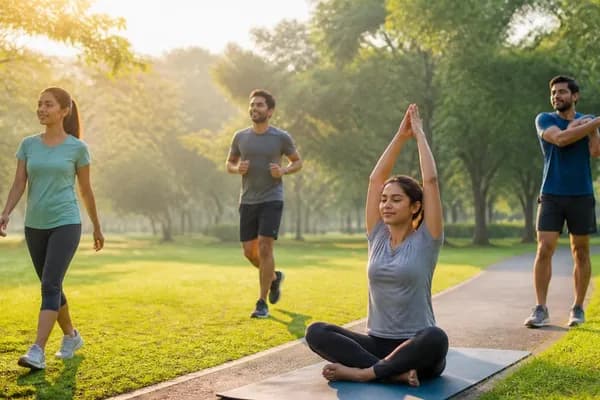
A 20–30 minute walk can help you step away from work, get some fresh air, and give your mind a break. Walking outdoors can be particularly refreshing because you're changing your surroundings instead of sitting in the same place all day.
You can listen to music, a podcast, or simply walk without your phone and let your thoughts settle.
Interesting fact: Regular physical activity is linked with the release of endorphins and other brain chemicals that can support a better mood.
2. Yoga for Both Body and Mind
Yoga is a great choice if stress makes you feel physically tense.
Unlike many workouts, yoga combines movement with controlled breathing and relaxation. Simple poses such as child's pose, cat-cow, and gentle forward stretches can help you slow down and focus on your body.
You don't need to be flexible or experienced. Even 10–15 minutes of beginner-friendly yoga can be a good starting point.
The breathing exercises are particularly useful because they encourage you to slow down and pay attention to the present moment.
3. Cycling to Clear Your Head
Cycling is a fun way to get your heart rate up without making exercise feel like a chore.
A relaxed 20–30 minute bike ride can help you get away from your usual surroundings and release some of the tension that builds up during the day.
If you don't have access to a bicycle, a stationary bike at home or in a gym works just as well.
Try cycling at a comfortable pace rather than treating every session like a race.
4. Swimming for a Calming Workout
Swimming can be particularly enjoyable when you're feeling mentally exhausted.
The repetitive movement of swimming, combined with the feeling of being in water, can create a calming experience. At the same time, swimming works several major muscle groups and provides a good cardiovascular workout.
You don't need to swim continuously for an hour. Start with 15–20 minutes and take breaks whenever necessary.
5. Strength Training
When people think about stress-relieving exercise, they often think about running or yoga. But strength training can be just as useful.
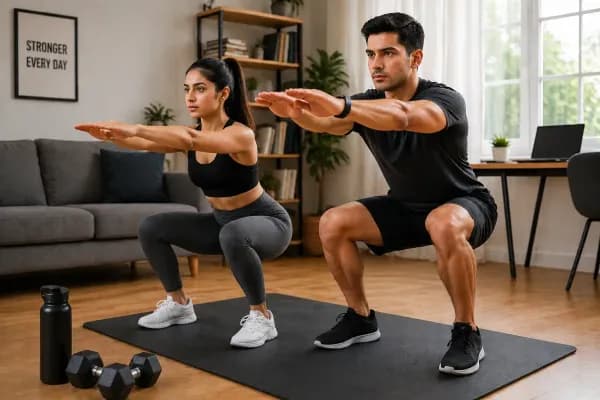
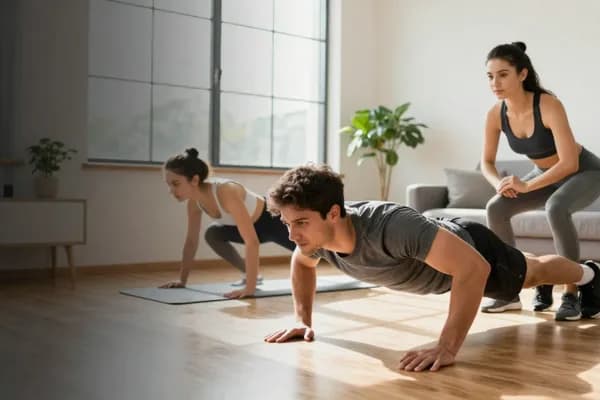
Exercises such as squats, lunges, push-ups, rows, and light dumbbell exercises require concentration. Focusing on your movements can temporarily take your attention away from stressful thoughts.
There's also a psychological benefit to seeing yourself become stronger over time. Completing a workout can give you a small feeling of accomplishment, which can improve confidence.
You don't need heavy weights. Bodyweight exercises are perfectly fine for beginner.
6. Running or Jogging
If you enjoy more intense exercise, running or jogging can be a great option.
You don't have to run several kilometers on your first attempt. Start with a combination of walking and light jogging and gradually build up your stamina.
The rhythmic movement can become almost meditative, especially when you're running outdoors.
If running feels uncomfortable, brisk walking can provide a similar way to get moving without putting as much stress on your joints.
7. Dancing: Exercise Without Feeling Like Exercise
Dancing is one of the easiest ways to make movement enjoyable.
Put on your favorite playlist and dance around your room for 15–20 minutes. You don't need choreography, perfect technique, or even much space.
The combination of music and movement can help lift your mood and make you forget that you're technically exercising.
Sometimes, the workout you enjoy is the workout you'll actually continue doing.
How Much Exercise Is Enough?
You don't need to spend hours exercising to support your mental well-being.
A good starting point is 20–30 minutes of moderate activity on most days. If you're currently inactive, even 10 minutes is a perfectly reasonable place to begin.
You can also break exercise into smaller sessions—for example, a 10-minute walk in the morning and another 10-minute walk after dinner.
The goal isn't perfection. Consistency matters more than doing one huge workout and then stopping for a week.
Exercise Isn't Just About Burning Calories
One of the biggest benefits of exercise is often overlooked: it gives your brain a break.
When you're moving, you're focusing on your breathing, surroundings, muscles, or simply completing the activity. That can create a temporaryy break from constantly thinking about work, deadlines, or other worries.
Exercise can also improve sleep for many people, and getting better sleep can make it easier to handle stressful days.
A Simple Routine to Try
If you're not sure where to begin, try this simple weekly routine:
Monday: 30-minute walk
Tuesday: 15-minute yoga session
Wednesday: 20-minute strength workout
Thursday: 30-minute walk or cycling
Friday: 20-minute strength workout
Saturday: Swimming, dancing, or another activity you enjoy
Sunday: Gentle stretching or a relaxed walk
You can change this completely depending on your schedule and fitness level.
Final wordict
There is no single "best" exercise for stress and anxiety. The best choice is something you enjoy, feel comfortable doing, and can continue regularly.
Walking, yoga, cycling, swimming, strength training, running, and dancing can all become useful parts of a healthy routine.
And remember, you don't have to wait until you're extremely stressed to exercise. Making movement a regular part of your life can help support both your physical and mental well-being.
Start small, keep moving, and don't worry about having the perfect workout. A 20-minute walk today is better than waiting for the perfect time to start.